Overview of Today’s Printing Techniques


Summary
Access the technique quickly by clicking below.

Offset Lithography

Flexography

Gravure

Screen

Digital

Pad
Offset Lithography
History
In 1796, Alois Senefelder introduced lithography in Munich. He was an actor and playwright who could not afford to print his plays. While he experimented with a novel etching technique using a greasy, acid-resistant ink on smooth limestone, he discovered that printing from the flat surface of the stone alone was also an option: the first planographic printing process was created. This new, cheap and exact reproduction process, used also by artists who could draw directly onto the plate with familiar pens, was cumbersome and the production for the stone slow, and is no longer used today.
Almost a century later, in 1875, Robert Barclay, an Englishman, combined the mid-19th century transfer printing technology with Richard March Hoe’s rotary printing press from 1843. In this first rotary offset lithography printing press, the flat stone was replaced by a metal cylinder that was wrapped in a specially treated cardboard, so it transferred the printed image from the stone to the surface of the metal.
Next in line were two inventors who independently moved the process further: American Ira Washington Rubel and German US-immigrant Cašpar Hermann. Around 1904, both created printing presses that printed from the printing plate onto a rubber roller and then onto a sheet of paper. Hermann, after returning to Germany in the 1910s, planned numerous further developments, and one of them was the first web offset press, presented in Leipzig in 1912. It was the prototype of modern offset printing presses, which are still in use today.
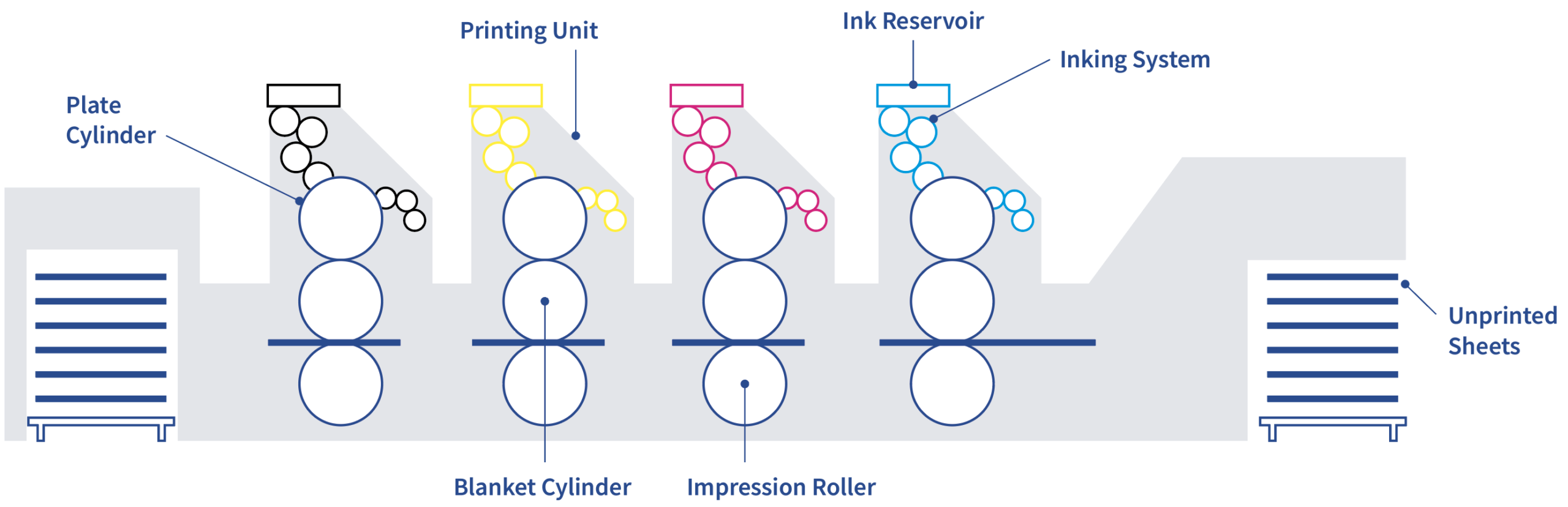
Definition and Process
In 1796, Alois Senefelder introduced lithography in Munich. He was an actor and playwright who could not afford to print his plays. While he experimented with a novel etching technique using a greasy, acid-resistant ink on smooth limestone, he discovered that printing from the flat surface of the stone alone was also an option: the first planographic printing process was created. This new, cheap and exact reproduction process, used also by artists who could draw directly onto the plate with familiar pens, was cumbersome and the production for the stone slow, and is no longer used today.
Almost a century later, in 1875, Robert Barclay, an Englishman, combined the mid-19th century transfer printing technology with Richard March Hoe’s rotary printing press from 1843. In this first rotary offset lithography printing press, the flat stone was replaced by a metal cylinder that was wrapped in a specially treated cardboard, so it transferred the printed image from the stone to the surface of the metal.
Next in line were two inventors who independently moved the process further: American Ira Washington Rubel and German US-immigrant Cašpar Hermann. Around 1904, both created printing presses that printed from the printing plate onto a rubber roller and then onto a sheet of paper. Hermann, after returning to Germany in the 1910s, planned numerous further developments, and one of them was the first web offset press, presented in Leipzig in 1912. It was the prototype of modern offset printing presses, which are still in use today.


Uses
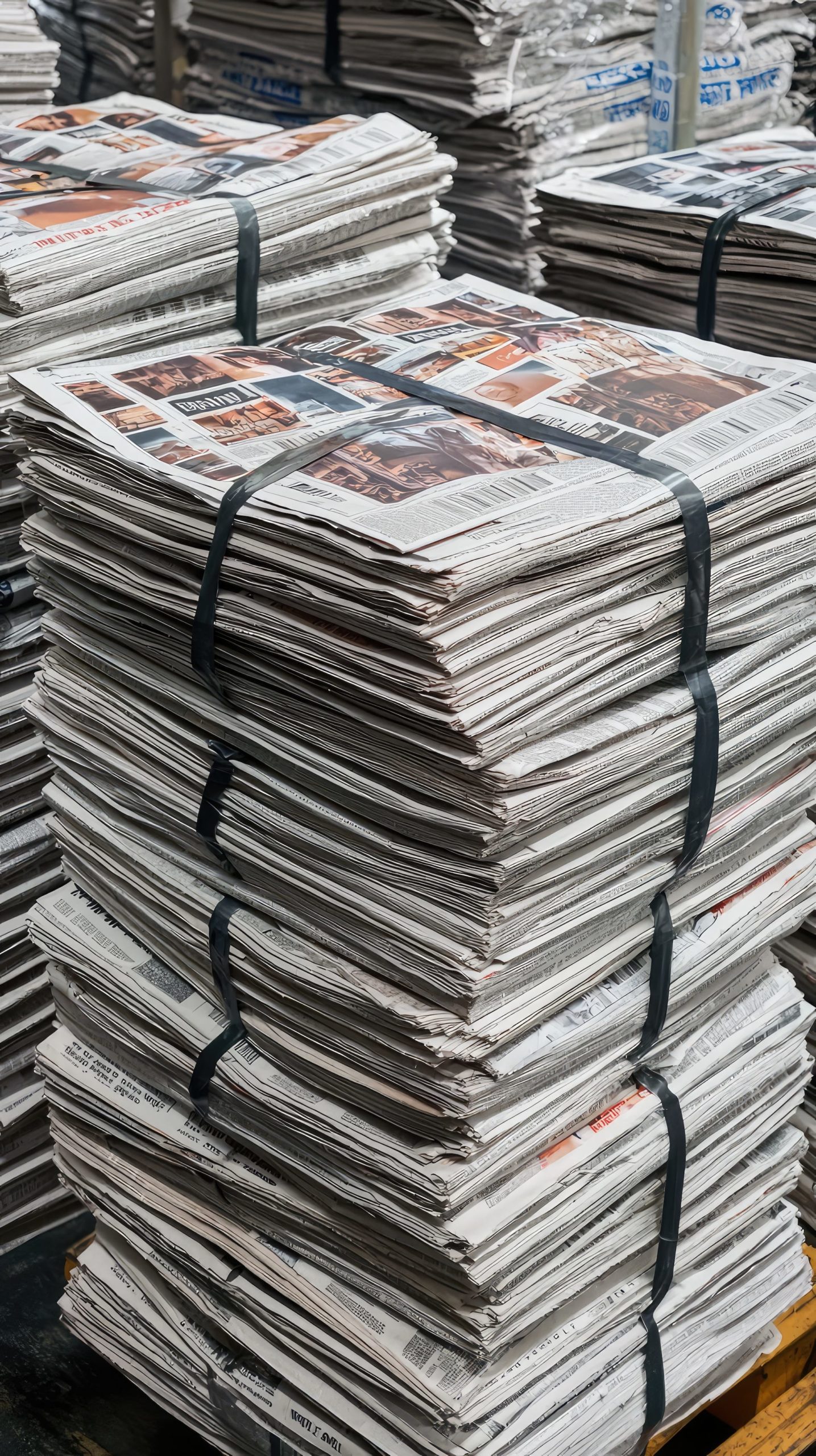
Lithographic offset printing uses both roll paper (or web printing) or separate sheets (sheetfed). Offset printing is perfect for producing high-quality and consistent results on large print runs. It is commonly used for printing books, magazines, newspapers, brochures, stationery and packaging.
Inks used
More viscous inks (pastes)
 Oil-based systems in heat- and coldset web
Flexography
History
Flexography was invented as late as the late 19th century. It was originally a rather crude method, employing a rubber plate and fluid inks made from coal tar dyes derived from aniline. In 1890, the first such patented press was built in Liverpool by Bibby, Baron and Sons. Because the water-based ink smeared easily, the device was also called “Bibby’s Folly.” In the early 1900s, other European presses using rubber printing plates and aniline oil-based ink were developed. This led to the process being called “aniline printing” and primarily used as a means to print paper bags, almost like using a rubber stamp. “Aniline” printing became more sophisticated with the development of synthetic rubber for plate making. By the 1920s, most presses were made in Germany, where the process was called “Gummidruck.”
The early inks made from the aniline dyes had toxicity issues and a strong odour, and their use in food packaging was unsuitable. Pigmented water-alcohol inks were introduced in the 1940s’.
After World War II, printers turned more and more towards this printing process for flexible packaging using film, foil and paper. Solvent-based inks were developed to ensure necessary adhesion to the non-absorbent substrates. The process was still called “aniline printing” which had a negative connotation due to the former toxicity issues. In 1952, the process was officially renamed flexography.

Definition and Process
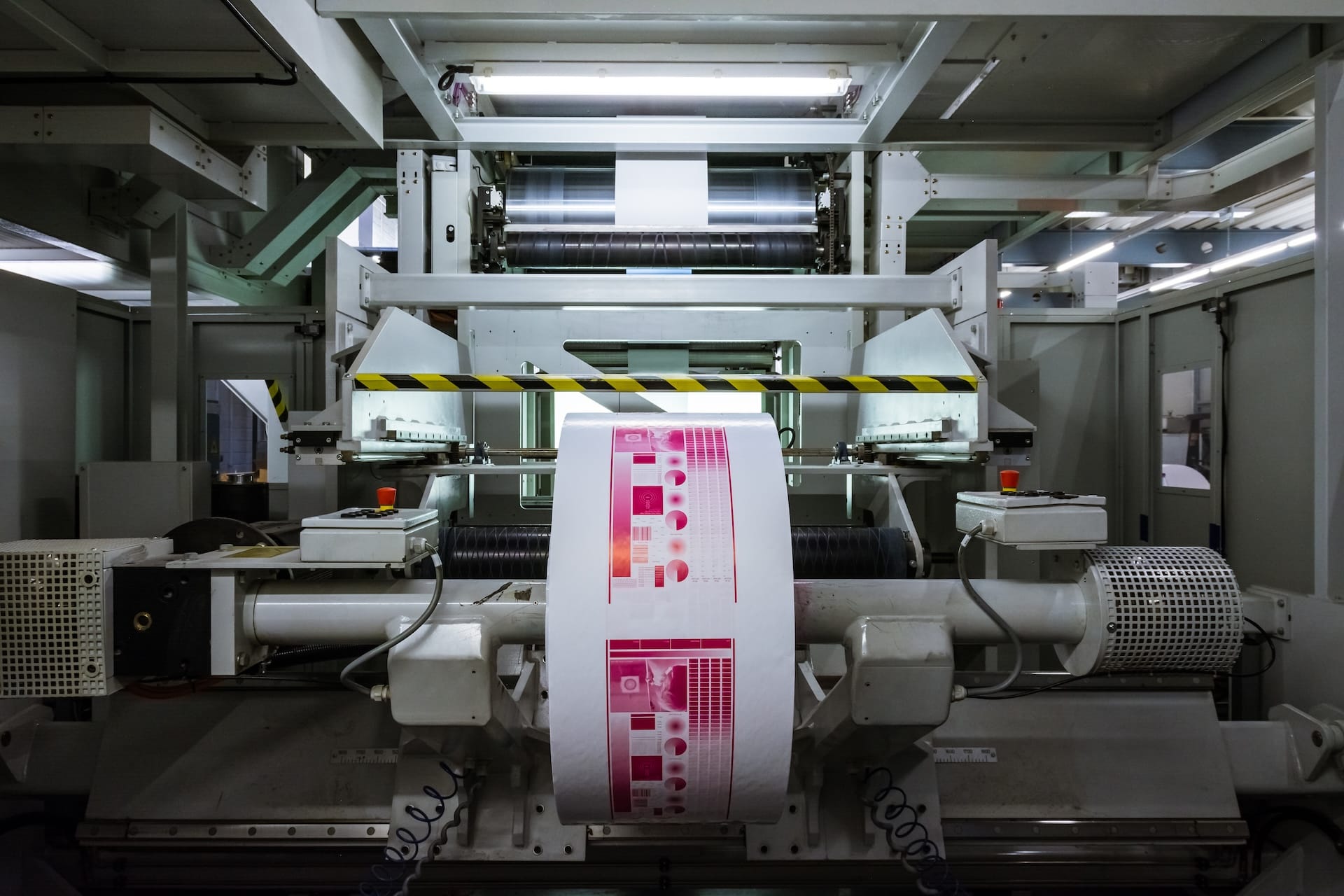
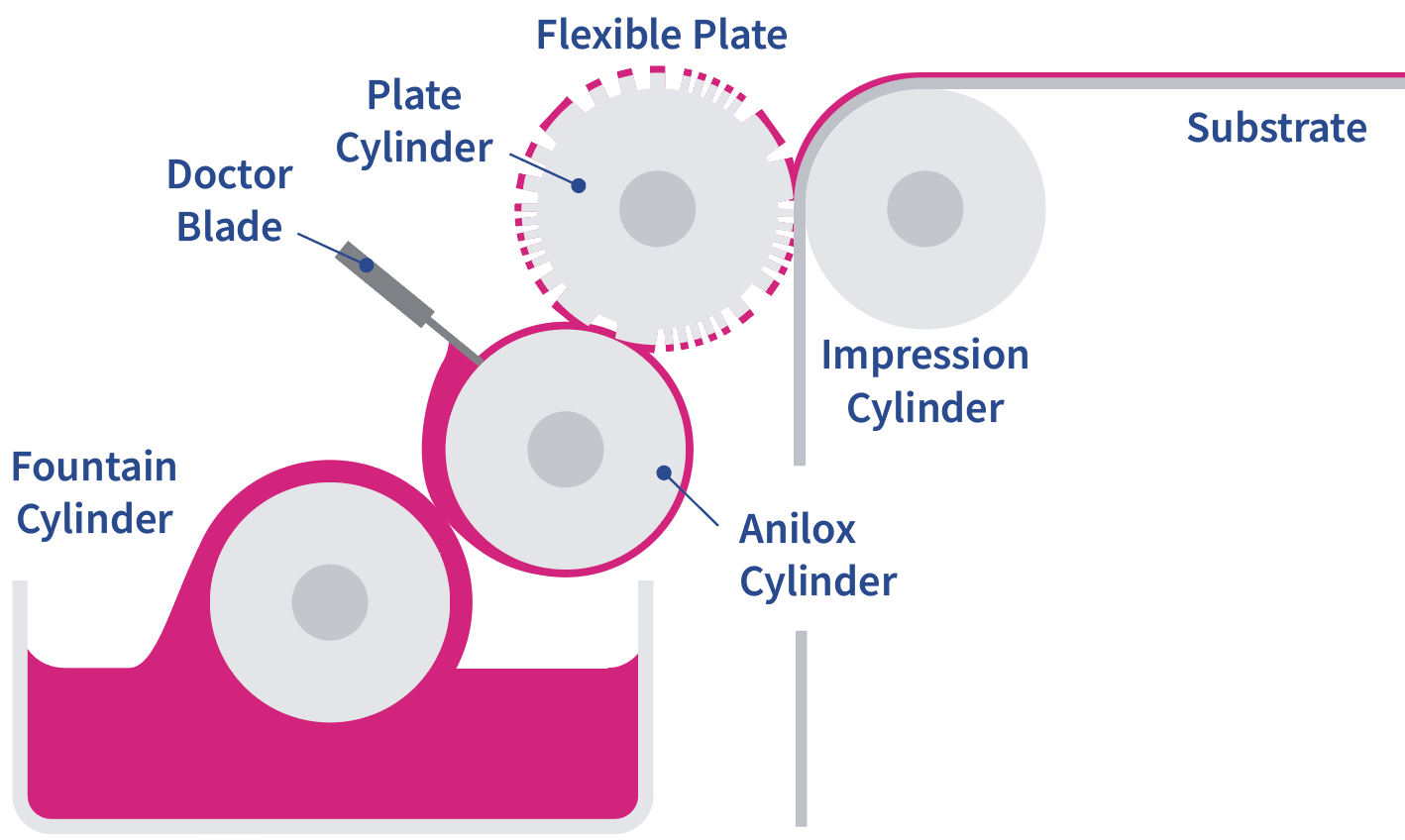
Flexography is based on the same principle of relief (raised image) as the early letterpress. Ink is applied to the raised image area of the pliable (rubber or photopolymeric) plate via a transfer roll system. The substrate and image are brought together via light pressure, whereby the image is transferred to the substrate.

Uses
Lithographic offset printing uses both roll paper (or web printing) or separate sheets (sheetfed). Offset printing is perfect for producing high-quality and consistent results on large print runs. It is commonly used for printing books, magazines, newspapers, brochures, stationery and packaging.
Inks used
More viscous inks (pastes)
Gravure
History
Shortly after Gutenberg’s letterpress printed Bible, in 1446, the first image was printed from an engraved metal plate – the process was called intaglio printing, derived from the Italian word for ‘engrave’ and used side by side with letterpress for illustrations, maps, musical scores and fine reproductions. Only in the 1800s was a true gravure process developed as a side effect of the invention of photography, largely driven by the need for better photo reproduction techniques. The first gravure printing process, known as photogravure, was developed as a technique to reproduce photographs with greater accuracy and detail, using a chemical etching process combined with a screening process to create individual cells of varying volume and depth, distinguishing it from the intaglio that is used today only for bank notes, stock certificates and high security documents to avoid counterfeiting.
Photogravure was a labour-intensive and costly process, making it unsuitable for commercial printing. However, it played a crucial role in the development of the gravure printing process. The main principles, such as the use of an engraved plate to hold the ink, formed the basis of the gravure printing process.
The use of a rotary press allowed faster printing speeds and higher volumes. Chemical etching was replaced by automated electromechanical engraving. Today the engraving of the cylinder is done by a diamond styluses or laser controlled by computer software.
Definition and Process
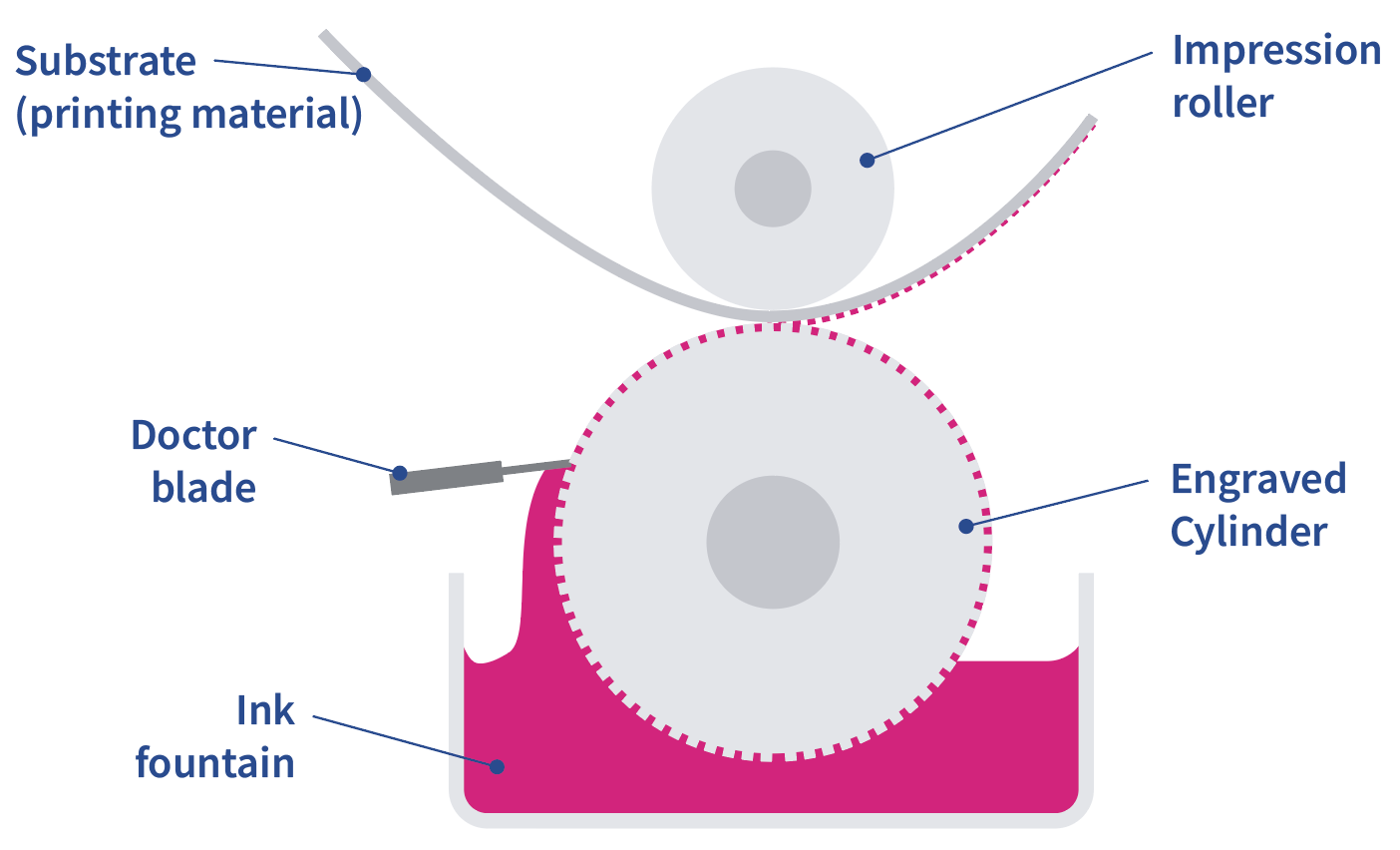
In gravure printing, the image area is recessed. The main component is the image or gravure cylinder that is engraved with a series of cells of different sizes, geometries, and depths to vary the ink film thickness. The cylinder is directly immersed in an ink reservoir, and as it then rotates upwards, ink covers the entire surface and fills the cells. The ink in the non-image areas is removed by a scraping device (doctor blade). When the substrate enters the printing nip, it is in direct contact with the inked cylinder. A rubber-coated impression roll supplies the necessary pressure for the ink to transfer out of the cells.
Uses
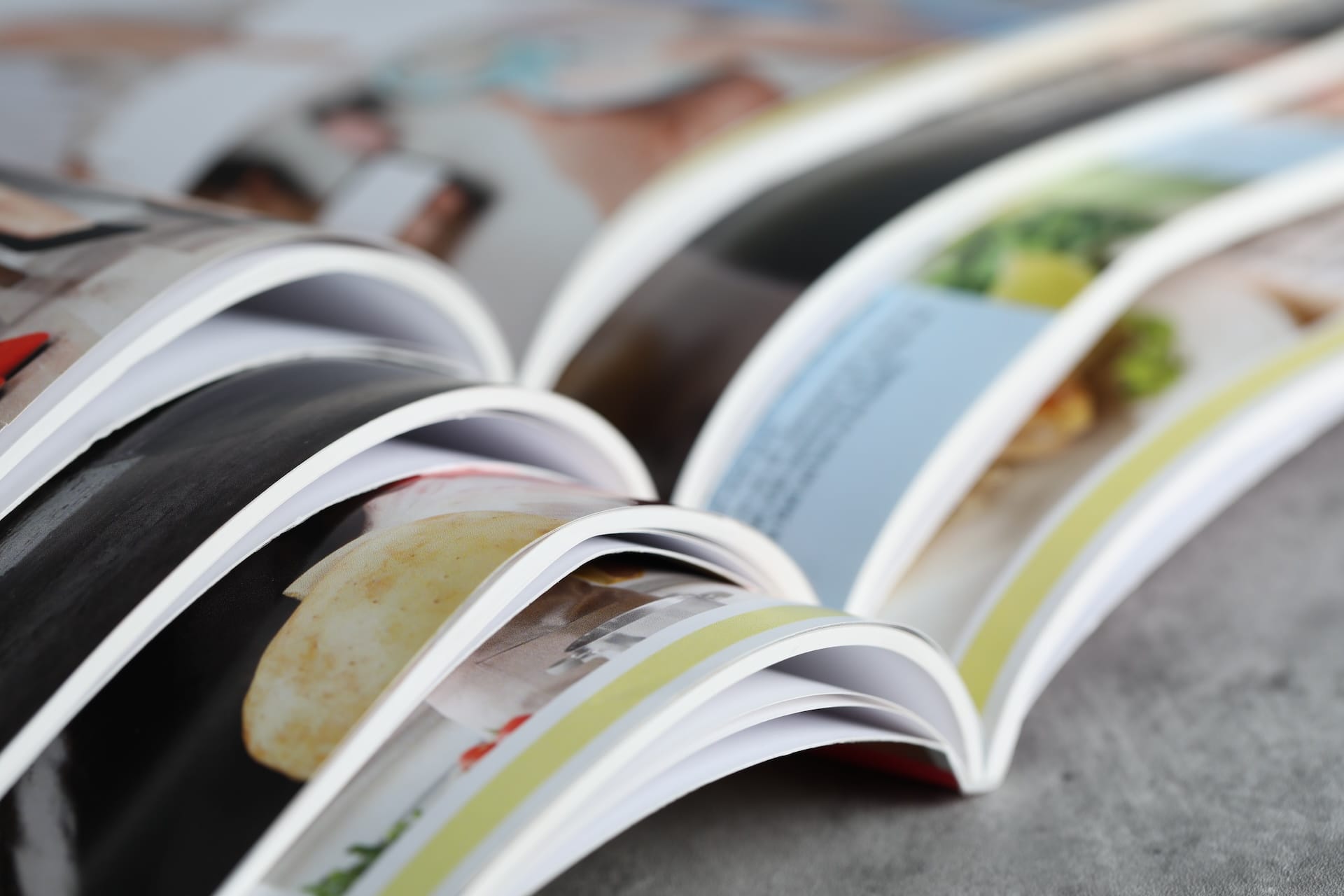
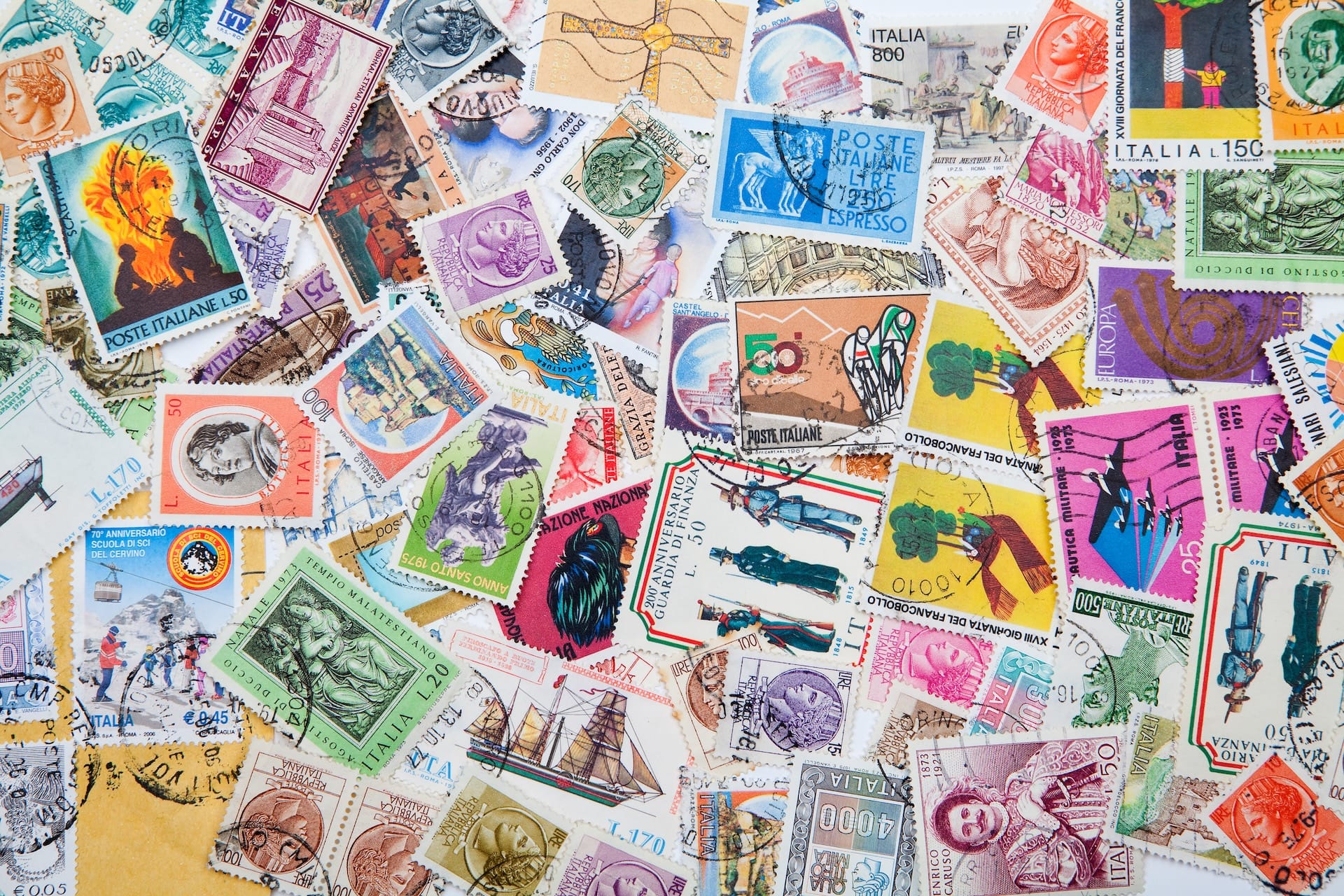
Gravure printing is used either for high-end publication printing, such as catalogues, magazines, newspaper supplements or packaging to produce labels, cartons or flexible packaging. There is also speciality gravure for printing gift wraps, wallpaper, floor covering and even circuit boards.
Inks used
Low viscosity fluid inks
Screen
History
The screen process was originally used for silk printing and takes its origin from block printing, which originated in China.
Screen printing was introduced to Western Europe sometime in the late 18th century but did not gain large acceptance until the process was commercialised using other materials for the screen than a silk mesh, and broader markets for textile printing were opened.
As of the 1920s, screen printing was mainly used for large-scale, short-run jobs such as posters and further increased in popularity as an ideal way to print on glass bottles or to manufacture printed circuit boards.
Definition and Process
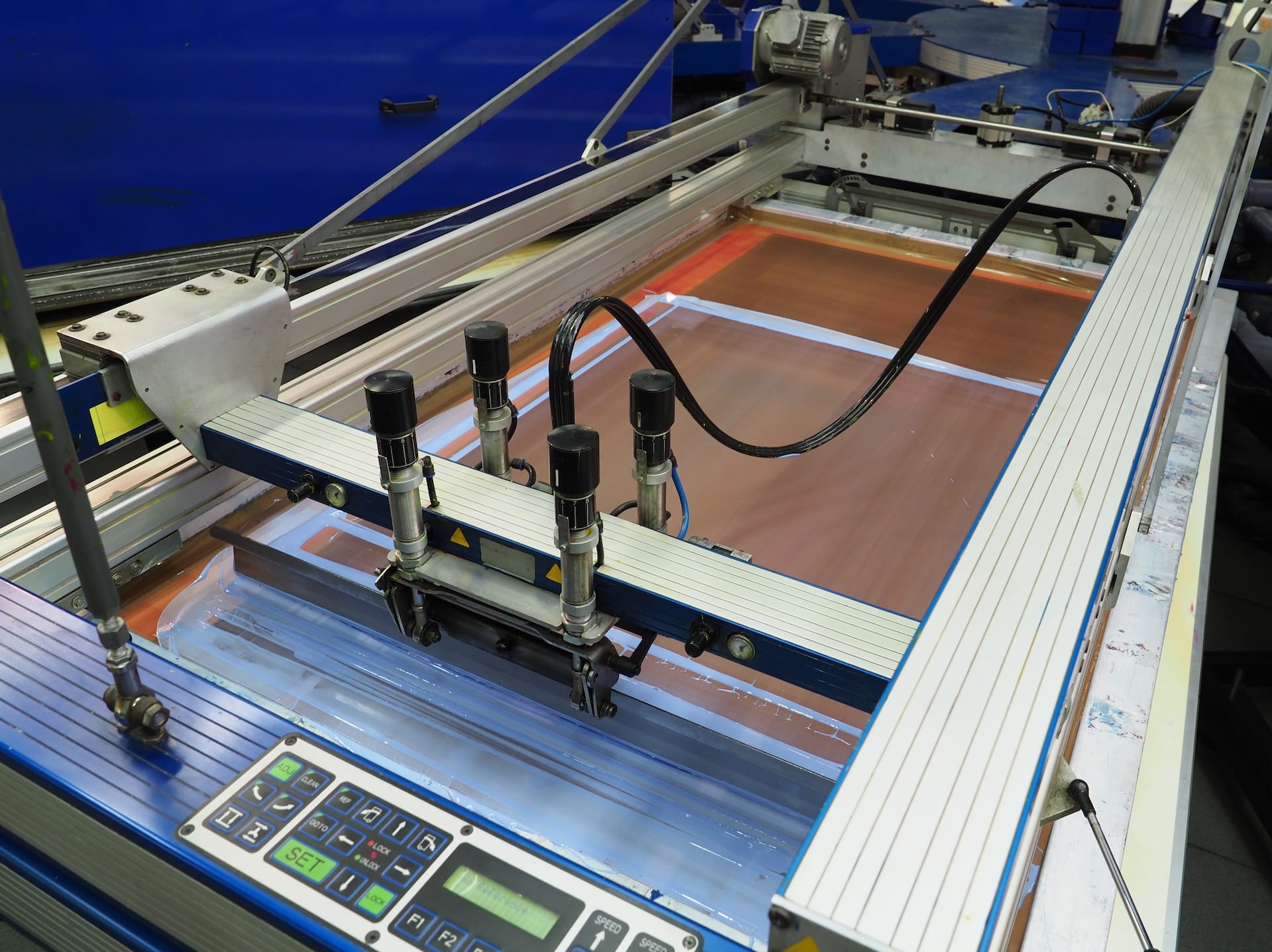
Screen printing forces ink with the help of a squeegee through an open image area in a screen, usually made from polyester, onto the substrate below the screen. On cylinder presses, the squeegee stays in one place whilst the screen rotates beneath it with the substrate being fed continuously between the screen and the rotating cylinder.
Uses
As objects of any size or shape can be oriented using specially made screens and squeegees, screen printing is very multipurposed, from posters, banners or billboards in all sizes and substrates to cups with handles or delicate circuit boards.
Inks used
Low viscosity fluid inks
Digital
History
The digital printing era began in the 1980s with the introduction of inkjet and laser printers. These technologies allowed for direct printing from digital files, eliminating the need for printing plates and enabling on-demand printing.
Today, every office, if not every home, has its own printer. These home printers function in essence as bigger industrial models. Two of the most advanced and innovative (industrial) printing technologies are electrophotography and thermal inkjet.
Definition and Process
In gravure printing, the image area is recessed. The main component is the image or gravure cylinder that is engraved with a series of cells of different sizes, geometries, and depths to vary the ink film thickness. The cylinder is directly immersed in an ink reservoir, and as it then rotates upwards, ink covers the entire surface and fills the cells. The ink in the non-image areas is removed by a scraping device (doctor blade). When the substrate enters the printing nip, it is in direct contact with the inked cylinder. A rubber-coated impression roll supplies the necessary pressure for the ink to transfer out of the cells.
Uses
Mainly labels and paper printing.
Inks used
Pad
History
Pad printing originates from intaglio techniques used in watchmaking in Switzerland in the 19th century, where images were transferred from etched plates using gelatin pads to decorate dials and small components. The process evolved significantly in the 1960s and 1970s with the introduction of silicone rubber pads, which enabled the transfer of images onto uneven, curved or recessed surfaces. This development transformed pad printing into an industrial process suited for mass production and precision marking
Definition and Process
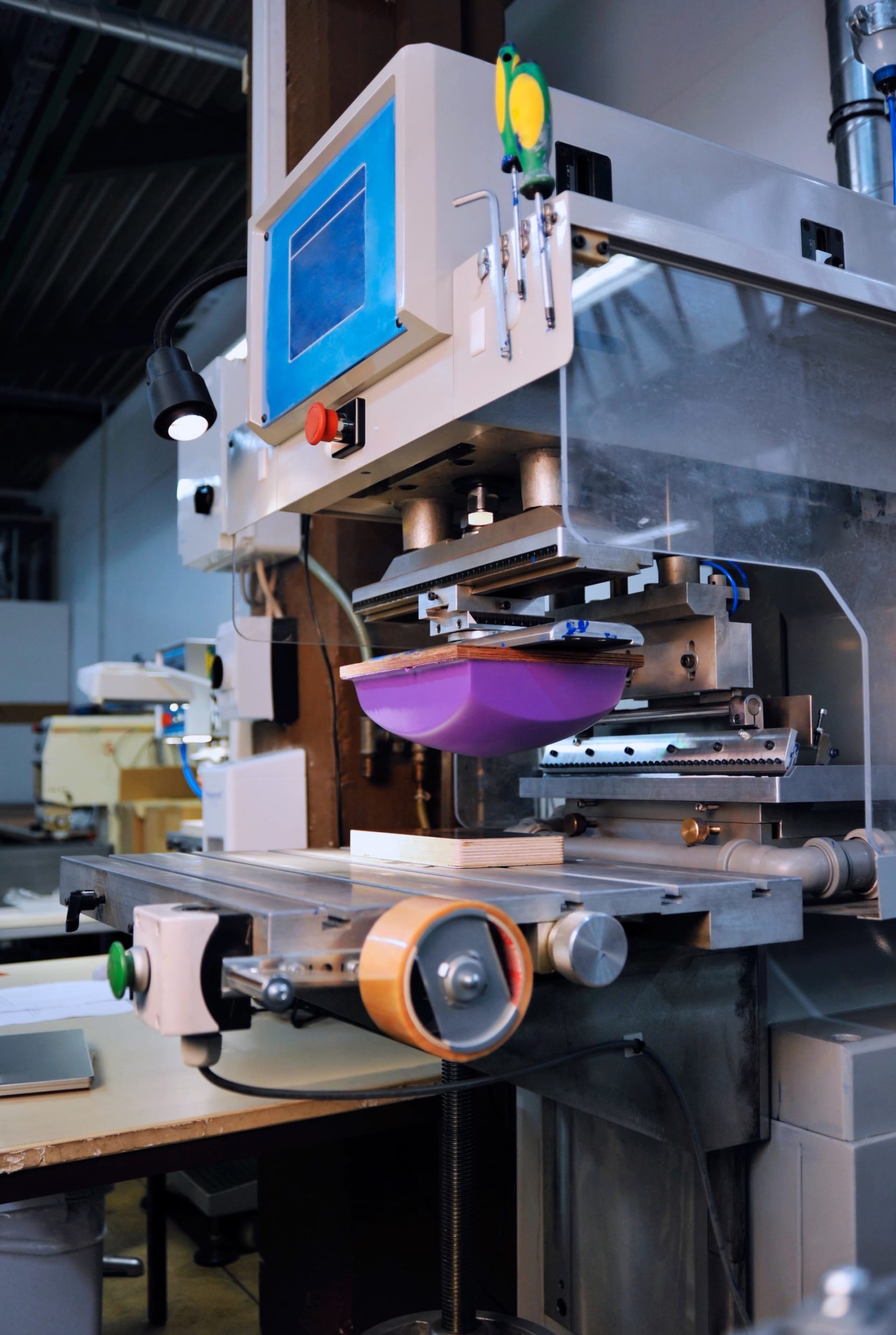
Pad printing is an indirect intaglio printing method. The image is engraved on a printing plate (cliché) that holds a thin layer of ink in recessed areas. A silicone pad presses onto the plate, picking up the ink, and then transfers it onto the substrate.
Silicone pads are essential because they deform without distorting the printed image, allowing accurate printing on complex shapes—including concave, convex, textured or irregular surfaces. The process ensures precise, high-resolution decoration even on very small areas.
Uses
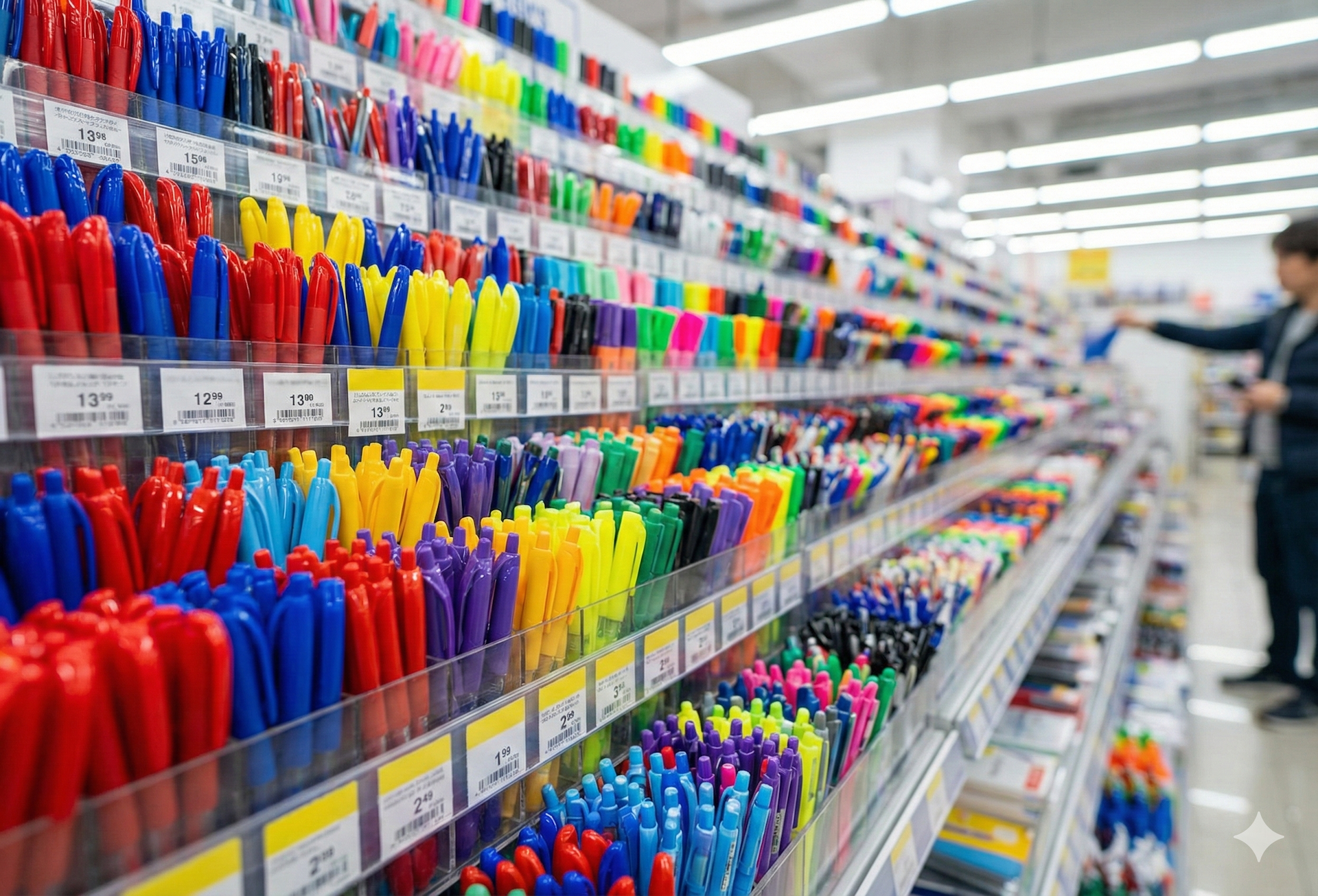
Pad printing is widely used for industrial and consumer applications that other printing methods cannot reach. Typical end uses include cosmetic closures, medical devices, electronic components, automotive parts, toys, promotional items, pens, switches, knobs, sports equipment, and small household products. It is particularly valued for high precision, repeatability, and its ability to print on 3D objects and technical substrates.
Inks used
Pad printing inks must offer excellent adhesion to a broad range of plastics and technical materials.
They include: